Loading...

Why Most AI Implementations Fail for SMBs (And How We Fix It)

10 Mins
Pravin Prajapati  ·   05 Mar 2026
Share to:
Common reasons why AI implementations fail for SMBs and how businesses can successfully adopt AI solutions
service-banner

Most AI implementations fail in SMBs for a straightforward reason: businesses invest in AI without a clear business outcome in mind. Instead of starting with measurable goals such as reducing operational costs, improving customer response time, or increasing conversions, many SMBs rush to adopt AI tools, hoping the technology itself will create value.

Another critical mistake is assuming AI is plug-and-play. In reality, AI only delivers results when it’s aligned with the correct data, integrated into existing workflows, and continuously optimized. Without a structured implementation strategy, AI quickly becomes an expensive experiment rather than a growth driver.

Successful SMBs don’t buy AI tools; they build AI systems designed around real business results. That difference is what separates AI success from AI failure.

Why Do Small and Medium Businesses Struggle With AI Adoption?

While AI promises efficiency and growth, many small and medium businesses struggle to turn that promise into tangible results. The challenges usually aren’t about ambition—they’re about execution.

Limited Technical Resources

Most SMBs operate with lean teams focused on day-to-day operations rather than AI architecture or data engineering.

What this leads to:

  • No in-house expertise to evaluate AI solutions
  • Difficulty integrating AI with existing systems
  • Dependence on tools that don’t fit real business needs

Without the proper technical foundation, AI projects often stall or fail to scale.

Poor Data Readiness

AI is only as good as the data behind it, and this is where many SMBs struggle the most.

Common data challenges include:

  • Scattered data across multiple tools and platforms
  • Inconsistent or unstructured data formats
  • No clear ownership or data processes

When data isn’t ready, AI produces unreliable outcomes—causing businesses to lose trust in the technology.

Budget Constraints and Wrong Expectations

AI adoption in SMBs often starts with unrealistic expectations around cost, speed, and results.

Typical mistakes:

  • Expecting instant ROI without proper setup
  • Choosing cheaper tools over sustainable solutions
  • Underestimating ongoing optimization and maintenance costs

Successful AI adoption isn’t about spending more; it’s about investing wisely, starting small, and scaling with purpose.

The Real Issue: Strategy Before Technology

Most SMBs don’t fail at AI because of budget or size; they fail because AI is treated as a tool rather than a business strategy. With the proper roadmap, even lean teams can adopt AI effectively and profitably.

What Are the Most Common AI Implementation Mistakes Made by SMBs?

AI has the potential to transform how small and medium businesses operate, but only when it’s implemented correctly. In reality, many SMBs invest heavily in AI and still fail to see meaningful results. The issue isn’t the technology itself. It’s the way AI is planned, built, and integrated into the business. Below are the most common AI implementation mistakes we see and why they prevent SMBs from getting real ROI.

Mistake #1: Starting With Complex AI Use Cases Instead of Business Outcomes

Many SMBs begin their AI journey by trying to solve significant, complex problems right away. They aim for advanced predictions, deep personalization, or fully autonomous systems without first validating simpler, high-impact opportunities.

This approach creates several problems. Development timelines are longer than expected, costs rise quickly, and the business struggles to measure whether AI is delivering value. In many cases, these projects never reach full production because they become too expensive or too difficult to maintain.

Successful AI implementations start with clear business outcomes. When AI is applied to focused use cases such as reducing support workload, automating internal processes, or improving lead qualification, it delivers faster results and builds confidence to scale further.

Mistake #2: Over-Customizing AI Solutions Too Early

Customization often feels like the right choice, especially when businesses want AI to fit their workflows perfectly. However, over-customizing AI solutions from the start usually leads to long-term problems.

Highly customized systems are more complex to maintain, more expensive to upgrade, and difficult to scale as the business grows. Over time, SMBs become locked into complex setups that require constant developer involvement just to keep running.

A more effective approach is to build flexible, modular AI systems. This allows businesses to evolve their AI capabilities gradually without rebuilding everything from scratch or becoming dependent on a single vendor.

Mistake #3: Treating AI as a Standalone Tool Instead of a Connected System

One of the biggest reasons AI fails in SMBs is poor integration. AI tools are often implemented in isolation, without proper integration with existing systems such as CRMs, eCommerce platforms, ERPs, or support tools.

When AI doesn’t integrate smoothly into daily workflows, teams stop using it. Manual workarounds appear, efficiency drops, and AI becomes more of a burden than a solution.

AI creates real value only when it operates within the business ecosystem. Seamless integration ensures that AI improves existing processes instead of disrupting them.

Mistake #4: Underestimating the Cost of Long-Term AI Operations

Many SMBs budget for AI implementation but fail to account for ongoing costs. AI is not a one-time setup; it requires continuous monitoring, data updates, performance tuning, and optimization.

Without planning for these long-term requirements, AI systems degrade over time and stop delivering accurate results. This leads businesses to believe AI “doesn’t work,” when in reality, it wasn’t supported properly.

Sustainable AI success comes from planning for both implementation and long-term operations from day one.

Why These Mistakes Keep Repeating

These mistakes occur because AI is often treated as a technology purchase rather than a business strategy. SMBs are sold tools rather than solutions, features rather than outcomes. Businesses that succeed with AI focus on clarity, integration, and scalability—not complexity.

How We Help SMBs Avoid These AI Implementation Failures

  • Starting with business goals, not tools
  • Identifying high-ROI, low-risk AI use cases
  • Building scalable, modular AI systems
  • Integrating AI seamlessly into existing workflows
  • Planning for long-term optimization and growth

When AI is implemented with the right strategy, it stops being an experiment and becomes a real competitive advantage.

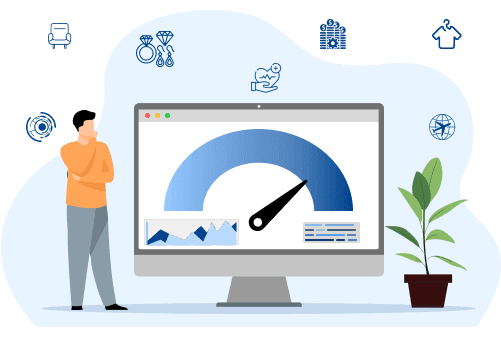
How Does Poor Data Quality Affect AI Implementation Success?

Poor data quality is one of the biggest reasons AI implementations fail in small and medium businesses. AI systems rely entirely on data to learn, analyze, and make decisions. When that data is inconsistent, unstructured, or poorly managed, even well-designed AI solutions struggle to deliver accurate or practical results.

Inconsistent or Incomplete Data Leads to Unreliable AI Outcomes

Many SMBs store data across multiple platforms, including CRMs, spreadsheets, support tools, and eCommerce systems. When this data is incomplete or inconsistent, AI models receive conflicting inputs, which directly affects accuracy. As a result, AI-driven predictions, recommendations, and automations become unreliable. Over time, teams lose confidence in the system and stop using it, leading to the AI initiative's failure.

Lack of Structured Data Limits AI Effectiveness

AI performs best when data is clearly structured and organized. However, SMBs often rely on unstructured data like emails, chat logs, documents, and free-text fields without defined formats. Without structured data, AI systems struggle to understand context and relationships. This increases implementation complexity, slows down deployment, and limits the scalability of AI use cases across the business.

No Data Ownership or Processes Causes Long-Term AI Failure

AI is not a one-time setup. It requires continuous access to accurate, up-to-date data. When no one is responsible for maintaining data quality, errors accumulate over time. This leads to outdated insights, declining AI performance, and increased maintenance costs. Without clear data ownership and governance processes, even successful AI implementations gradually lose their effectiveness.

Why Data Readiness Is Critical for Successful AI Implementation

For SMBs, data readiness determines whether AI becomes a growth enabler or a costly experiment. Clean, structured, and well-managed data allows AI systems to deliver consistent results, scale efficiently, and generate measurable business value.

Are AI Tools Alone Enough for Successful AI Implementation?

AI tools alone are not enough to ensure successful AI implementation. While tools and platforms provide the technology, real AI success comes from how those tools are applied within business systems, workflows, and teams.

Understanding the Difference Between AI Tools and AI Systems

AI tools are individual technologies such as chatbots, recommendation engines, or analytics platforms. AI systems, on the other hand, combine these tools with data, workflows, integrations, and governance. When SMBs rely only on tools, AI remains isolated and underutilized. Without being part of a larger system, AI struggles to deliver consistent or scalable business value.

Why Business Workflows Matter More Than AI Models

Even the most advanced AI model fails if it doesn’t fit into day-to-day operations. AI must support existing workflows or improve them, not create additional steps. If workflows are not clearly defined, AI outputs often go unused or require manual intervention. Successful AI implementation focuses on embedding AI into fundamental business processes to automate tasks, reduce effort, and improve decision-making.

The Importance of Change Management in AI Adoption

AI implementation is as much about people as it is about technology. Without effective change management, teams may resist new systems or distrust AI-driven outputs. Clear communication, training, and gradual adoption are critical. When teams understand how AI supports their work and see tangible benefits, adoption increases, and AI delivers long-term value.

For SMBs, AI success depends on building connected systems, designing practical workflows, and managing change effectively. Tools enable AI, but strategy, integration, and adoption determine whether AI actually works.

What Hidden Costs Cause AI Projects to Fail for SMBs?

Many AI initiatives in small and medium-sized businesses don’t fail at the start; they fail later, once hidden costs begin to surface. While AI tools may appear affordable at first, the real expenses often emerge after implementation, catching businesses unprepared.

Scaling AI Infrastructure Becomes Expensive Over Time

As AI usage grows, so does the demand for computing power, storage, and cloud services. What begins as a limited pilot can quickly require additional servers, higher cloud tiers, and performance upgrades. For many SMBs, these scaling costs are unexpected and challenging to control. Without a clear infrastructure strategy, AI becomes increasingly expensive as adoption expands.

AI Systems Require Continuous Maintenance and Improvement

AI does not operate on autopilot. Models need to be monitored, updated, and retrained as data changes and business conditions evolve. When maintenance and retraining are overlooked, AI accuracy gradually declines. This results in incorrect insights, reduced automation benefits, and increased manual workultimately undermining confidence in the system.

Long-Term Dependency Creates Operational Risk

Many SMBs depend heavily on external vendors or a small group of specialists to manage their AI systems. Over time, this reliance can become a serious risk. If vendor support changes or key team members leave, maintaining or scaling the AI system becomes difficult and costly. This lack of internal ownership often stalls progress and increases long-term expenses.

AI projects rarely fail because of upfront costs. They fail because long-term expenses are ignored. SMBs that succeed with AI plan beyond implementation, accounting for scaling, maintenance, and operational ownership from the very beginning.

Which AI Use Cases Actually Work Best for SMBs?

Not every AI use case is suitable for small and medium businesses. The AI initiatives that succeed in SMBs are usually focused, practical, and directly tied to everyday business operations. These use cases deliver measurable value without requiring heavy infrastructure or complex data models.

Customer Support Automation Delivers Immediate Impact

Customer support is one of the most effective areas for AI adoption in SMBs. AI-powered chatbots and virtual assistants can handle common queries, order tracking, and basic troubleshooting around the clock. This reduces response times, lowers support costs, and allows human teams to focus on complex or high-value interactions. When implemented correctly, customer support automation improves both efficiency and customer satisfaction.

Sales and Lead Qualification Improves Conversion Efficiency

AI can significantly improve how SMBs handle inbound leads and sales inquiries. By analyzing customer behavior, interactions, and intent, AI systems can prioritize high-quality leads and route them to the right sales teams. This ensures faster follow-ups, better conversion rates, and less time wasted on low-intent prospects. For SMBs, this use case often delivers clear ROI with minimal disruption.

Internal Process Automation Saves Time and Reduces Errors

Internal operations are another area where AI performs exceptionally well. Tasks such as data entry, report generation, scheduling, and workflow routing can be automated using AI-driven systems. By reducing manual effort and errors, internal process automation frees up teams to focus on strategic work. This makes it one of the most scalable and cost-effective AI use cases for SMBs.

These use cases work because they solve real business problems, integrate easily with existing systems, and deliver quick, measurable results. For SMBs, successful AI adoption starts with practicalitynot complexity.

How Can SMBs Implement AI Successfully in 2026?

For small and medium businesses, successful AI implementation in 2026 is less about adopting the latest tools and more about making smart, strategic decisions. SMBs that see real results from AI focus on measurable outcomes, long-term value, and scalability from the start.

Start Small With Measurable AI Use Cases

The most effective AI implementations begin with clearly defined, low-risk use cases. Instead of trying to automate everything at once, SMBs should focus on one or two areas where AI can deliver quick, measurable results. Starting small allows businesses to validate performance, refine workflows, and build confidence before expanding AI adoption across other functions.

Focus on ROI-Driven AI, Not Experimental Projects

In 2026, AI investments must deliver clear returns. Successful SMBs prioritize AI use cases that directly impact revenue, cost reduction, or operational efficiency. By tying AI initiatives to measurable business KPIs, SMBs can track performance, justify continued investment, and avoid spending on AI experiments that don’t deliver real value.

Build a Scalable AI Architecture From Day One

AI systems should be designed to grow alongside the business. Scalable architecture ensures AI solutions can handle increasing data volumes, user base, and complexity without requiring frequent rebuilds. This includes choosing flexible tools, planning integrations early, and ensuring AI systems can evolve with changing business needs.

SMBs that implement AI successfully focus on clarity, control, and scalability. By starting small, prioritizing ROI, and planning for growth, AI becomes a sustainable business advantage rather than a short-term experiment.

What Is Our AI Implementation Framework for SMBs?

Successful AI implementation in small and medium businesses requires more than choosing the right tools. It requires a structured approach that aligns technology with real business needs. Our AI implementation framework is built to help SMBs adopt AI in a practical, low-risk, and scalable way.

Step 1: Start With a Business and AI Readiness Assessment

Every AI initiative should begin with clarity. Before introducing any AI solution, it’s essential to understand the business challenges it will address. This includes evaluating existing workflows, data availability, and current systems. By starting with a readiness assessment, SMBs avoid investing in AI solutions that don’t align with their goals. This step helps define clear success metrics and ensures AI is introduced with purpose, not as an experiment.

Step 2: Prioritize the Right AI Use Cases

Not all AI use cases deliver equal value, especially for SMBs. Instead of pursuing broad AI adoption, focus on identifying use cases that deliver measurable impact with manageable complexity. Prioritizing the proper use cases enables businesses to focus resources on where AI can provide quick wins, build internal confidence, and lay a foundation for future expansion.

Step 3: Validate Through Pilot Projects

Instead of large-scale AI deployments, pilot projects allow testing of AI solutions in real-world conditions. Such pilots are intended to operate alongside current systems and workflows, with performance measured against established goals. Pilot installations not only reduce risk but also control expenditure and provide real-world insights that help scale AI across the business.

Step 4: Scale Using a Flexible and Scalable Architecture

After AI has demonstrated its value, scaling is the immediate step. It is scaling AI capabilities across more teams or processes while ensuring the underlying architecture can support the expansion. An adaptable, scalable environment enables AI applications to grow with the business without frequent rework or performance issues.

Step 5: Continuously Optimize and Improve AI Performance

The implementation of AI is not complete with its deployment. As data, workflows, and business requirements evolve, AI systems should be continuously monitored and optimized. Frequent updates, performance monitoring, and governance are key to keeping AI accurate, reliable, and aligned with the business's long-term objectives.

By following this methodical approach, SMBs can confidently adopt AI. Concentrating on the preparedness of the business, controlled validation, and continuous enhancement, AI turns into a viable growth tool rather than a fleeting ​‍​‌‍​‍‌trial.

How Do We Fix Failed or Underperforming AI Implementations?

When AI implementations fail or underperform, the issue is rarely the technology itself. In most cases, the problem lies in how AI has been planned, integrated, or aligned with business goals. Fixing these implementations requires stepping back and addressing the fundamentals.

Auditing Existing AI Systems

The first step in fixing an underperforming AI system is understanding what’s not working. This involves reviewing the current AI setup, data sources, integrations, and performance metrics. An audit helps identify gaps such as poor data quality, disconnected systems, or models that no longer reflect current business needs. Without this clarity, any attempt to fix AI issues becomes guesswork.

Redesigning Workflows Around AI

AI delivers value only when it fits naturally into everyday workflows. Many failed implementations occur because AI tools operate separately from how teams actually work. By redesigning workflows around AI, businesses can ensure AI outputs are actionable, reduce manual effort, and improve cross-team adoption. This step often makes a greater impact than changing the AI model itself.

Aligning AI With Business Outcomes

The final step is realignment. AI must be directly connected to measurable business outcomes such as cost reduction, efficiency improvements, or revenue growth. When AI is aligned with clear objectives, performance becomes easier to measure, optimize, and justify. This alignment transforms AI from a technical experiment into a reliable business tool.

Fixing AI implementations is about restoring focus on strategy, integration, and outcomes. By auditing existing systems, improving workflows, and aligning AI with business goals, SMBs can recover value from AI initiatives that once seemed unsuccessful.

Should SMBs Build Custom AI Solutions or Use Ready-Made Tools?

For small and medium-sized businesses, the choice between ready-made AI tools and custom AI solutions depends on business needs, complexity, and long-term goals. There is no one-size-fits-all answer. The right choice depends on how AI is expected to support operations and scale over time.

When Ready-Made AI Tools Are Enough

Ready-made AI tools work well when use cases are straightforward and standardized. These tools are typically faster to deploy and require lower upfront investment.

They are a good fit when:

  • AI is needed for everyday tasks like basic chat support or analytics
  • Existing workflows don’t require deep customization
  • Speed and ease of implementation are higher priorities than flexibility

For many SMBs starting their AI journey, ready-made tools provide a practical entry point.

When Custom AI Solutions Become Necessary

Custom AI solutions are better suited for businesses with unique workflows, complex data, or specific performance requirements.

Custom AI is often required when:

  • AI must integrate deeply with internal systems
  • Business processes are highly specialized
  • Off-the-shelf tools cannot deliver measurable ROI
  • Long-term scalability and control are important

In these cases, custom AI offers the flexibility and alignment that tools alone cannot.

Cost vs Flexibility: Finding the Right Balance

Ready-made tools typically have lower upfront costs but can become more expensive over time due to subscription fees, usage limits, and limited customization. Custom AI solutions usually require a higher initial investment but offer greater flexibility, ownership, and long-term value. For SMBs, the decision should be based on total cost of ownership and expected business impact, not just initial pricing.

The most successful SMBs evaluate AI decisions based on outcomes, scalability, and long-term efficiency. In many cases, a hybrid approach that starts with tools and moves to custom solutions as needs evolve delivers the best results.

What Should SMBs Avoid When Planning AI Implementation?

When planning AI implementation, small and medium businesses often make avoidable mistakes that limit results or lead to failure. Avoiding these pitfalls is just as important as choosing the right AI solutions.

Copying Enterprise AI Strategies

Many SMBs try to replicate AI strategies used by large enterprises. However, enterprise AI initiatives are built for larger budgets, complex infrastructures, and dedicated teams. For SMBs, copying these strategies often leads to high costs, long timelines, and limited ROI. AI implementation should be tailored to the business's scale, resources, and priorities, not modeled on enterprise-level deployments.

Chasing AI Trends Without Clear ROI

AI trends evolve quickly, and not every new capability delivers practical business value. SMBs that adopt AI because it is popular rather than because it solves a real problem often struggle to justify their investment. Successful AI planning focuses on measurable outcomes such as cost savings, efficiency gains, or revenue growth, rather than adopting technology for visibility or experimentation.

Ignoring Team Adoption and Change Readiness

AI success depends heavily on people. When teams are not involved early or properly trained, AI tools go unused or are actively resisted. Ignoring team adoption leads to poor utilization and underwhelming results. Involving teams early, addressing concerns, and providing clear training ensures AI becomes part of everyday operations rather than an unused system.

AI implementation succeeds when it is practical, focused, and people-centered. By avoiding enterprise-level thinking, trend-driven decisions, and poor change management, SMBs can adopt AI in a way that delivers sustainable value.

Is AI Worth the Investment for SMBs in 2026?

AI can be a valuable investment for small and medium businesses in 2026, but only when it is applied with clear intent and realistic expectations. For SMBs, the decision to invest in AI should be based on business readiness, measurable value, and long-term impact rather than short-term excitement.

When AI Delivers Real Value for SMBs

AI delivers real value when it solves specific business problems. SMBs benefit most from AI when it reduces operational costs, improves efficiency, or supports revenue-generating activities. When AI is implemented with clear goals, proper data foundations, and integration into existing workflows, it becomes a practical tool that supports everyday decision-making and automation.

When Businesses Should Wait Before Investing in AI

AI may not be the right investment if foundational elements are missing. Businesses should consider delaying AI adoption if data is unreliable, workflows are undefined, or teams are not ready to adopt new systems. In these situations, investing in AI too early often leads to frustration and wasted resources. Strengthening core systems and processes first creates a better environment for successful AI implementation later.

Long-Term Benefits vs Short-Term AI Hype

Short-term AI trends often promise quick wins but fail to deliver sustainable results. The real benefits of AI come over time, as systems improve, data quality increases, and teams become more comfortable using AI-driven tools. For SMBs, viewing AI as a long-term capability rather than a quick fix helps ensure investments remain valuable and relevant as business needs evolve.

AI is worth the investment for SMBs that approach it strategically. By focusing on readiness, measurable outcomes, and long-term value, businesses can avoid hype-driven decisions and build AI capabilities that deliver consistent returns.

How Can SMBs Get Started With AI the Right Way?

Getting started with AI doesn’t require a massive investment or complex systems. For small and medium businesses, the right approach begins with preparation, planning, and the proper support structure.

Begin With an AI Readiness Assessment

Before adopting any AI solution, SMBs should assess their current readiness. This includes reviewing data quality, existing workflows, technology infrastructure, and business goals. An AI readiness assessment helps identify where AI can deliver immediate value and where foundational improvements are needed first. It prevents businesses from investing in AI solutions that they are not yet prepared to support.

Create​‍​‌‍​‍‌ a Clear and Practical AI Roadmap

After a firm foundation is in place, the next step is to establish a clear roadmap. This roadmap should identify priority use cases, expected outcomes, schedules, and success metrics. A well-organized roadmap keeps AI projects centered, measurable, and aligned with overall business objectives. It also makes it easier for teams to see that AI is part of the long-term plans rather than a standalone project.

Partner With AI Implementation Experts

Successful AI implementation is a blend of both technical know-how and business acumen. Many SMBs lack the internal resources to manage AI end-to-end. Partnering with experienced AI implementation partners significantly reduces risk, helps avoid common pitfalls, and accelerates the delivery of results.

A good partner is one whose primary concern is the results, integration, and long-term viability, not simply the deployment of the tools. By starting with readiness, developing a clear roadmap, and seeking expert help, SMBs are significantly more likely to succeed with AI. In this way, AI adoption becomes a regulated, strategic process rather than an expensive experiment.

What Is the Right AI Strategy for SMBs?

In 2026, AI has the potential to be a significant growth driver for small and medium-sized businesses, but only if it is implemented with the right strategy. As we have seen, most AI failures stem from vague objectives, low data readiness, overemphasis on tools, and a lack of alignment with tangible business outcomes. For an SMB, the journey towards successful AI adoption starts with identifying where AI can deliver measurable value, executing it in a controlled, scalable manner, and continuously fine-tuning it as the business changes. Only if AI is treated as a long-term business capability, not a short-lived fad, will it deliver sustainable results.

If you’re looking to move from planning to execution, working with experienced professionals makes a critical difference. You can learn more about hiring artificial intelligence developers who specialize in building outcome-driven, scalable AI solutions by visiting. With the right approach and the right expertise, AI can become a practical, reliable advantage for your business today and in the years ahead.

FAQs about AI Implementations

Why do most AI implementations fail for SMBs?

Is AI too expensive for small and medium businesses?

Do SMBs need custom AI solutions or are ready-made tools enough?

How​‍​‌‍​‍‌ fast can small and medium businesses expect a return on investment from AI?

What AI applications can SMBs make the most of in 2026?

Is it necessary to have high-quality data first before using AI?

Does AI require on-site technical staff to operate?

Pravin Prajapati
Full Stack Developer

Expert in frontend and backend development, combining creativity with sharp technical knowledge. Passionate about keeping up with industry trends, he implements cutting-edge technologies, showcasing strong problem-solving skills and attention to detail in crafting innovative solutions.

Most Visited Blog

What is Adaptive Software Development​? A Guide with Comparison
Discover Adaptive Software Development (ASD), a flexible, iterative methodology that embraces change, fosters collaboration, and ensures continuous learning for modern software projects.
How AI-Powered Search is Transforming Magento Stores in 2026
See how next-generation AI search is revolutionizing Magento in 2026, delivering smarter SEO results, smoother shopping experiences, and measurable boosts in revenue.
How AI Is Transforming the B2C Shopping Experience
Learn how AI is transforming the B2C shopping experience with personalization, predictive analytics, chatbots, and more intelligent search to boost sales and customer satisfaction.