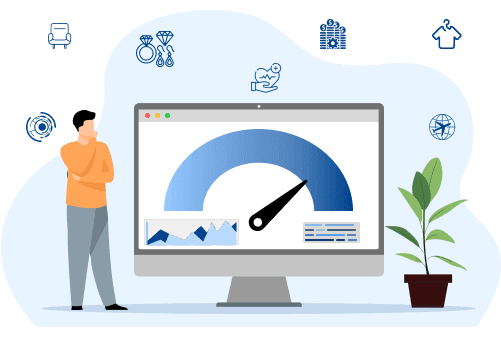
The way brands measure visibility is changing. Traditional SEO metrics like Google rankings, backlinks, and keyword traffic are still valuable but they no longer tell the full story. In the AI-driven search era, visibility extends beyond the search engine results page (SERP). Businesses now need to track how often their names, products, or content appear in AI-generated responses across platforms such as ChatGPT, Google Gemini, Perplexity, Claude, and other generative AI assistants.
Understanding these new “AI visibility signals” helps brands stay competitive, identify emerging opportunities, and refine their digital strategies for the evolving search landscape.
Beyond Google Rankings
AI assistants are becoming new gateways for discovery. Instead of searching on Google, more users are asking tools like ChatGPT, Gemini, or Perplexity for recommendations and these platforms often cite or summarize information from real brands and websites.
That means your business could be mentioned, summarized, or referenced in AI-generated answers even if you never appear in traditional search results.
New visibility signals to track include:
- Mentions in AI responses: When your brand, product, or content is referenced by ChatGPT, Gemini, or other AI platforms.
- Inclusion in AI summaries: If your website content is used as a cited source in “AI Overviews” (like Google’s Search Generative Experience).
- Presence in aggregated answers: When AI tools mention your brand in comparison lists, reviews, or recommendations.
- Engagement within AI-powered platforms: Metrics such as saved responses, shared answers, or AI tool referrals that include your brand.
How to Measure AI Impact
Tracking your visibility across generative AI platforms requires new thinking traditional analytics alone won’t capture it. However, businesses can adopt practical methods to measure AI impact and influence.
1. Monitor AI Mentions and References
- Search for your brand or product directly within ChatGPT, Gemini, Perplexity, or Claude to see if and how they mention you.
- Use AI monitoring tools and social listening platforms (like Brand24 or Mention) as they begin integrating AI search coverage.
- Stay updated on Google’s AI Overview analytics as it expands tracking for AI-generated snippets.
2. Analyze Referral Sources and Traffic Patterns
- Look for new traffic sources that may originate from AI tools or integrations (for example, users clicking through from AI-powered search engines).
- Monitor direct and branded traffic increases, which may result from AI-based brand exposure even without a link.
3. Gather Customer Feedback
Ask new customers how they discovered your business. Include AI assistants as an option in surveys or lead capture forms — for example:
“How did you hear about us? (Google / ChatGPT / Gemini / Word of mouth / Other)”
This helps identify whether generative AI tools are driving awareness or conversions.
4. Track Brand Mentions Across Generative Platforms
Just like tracking backlinks or social mentions, start measuring how often your brand name appears in AI-generated answers, summaries, or recommendations.
5. Stay Agile with AI Analytics
As generative platforms evolve, new tracking tools will emerge. Keep experimenting with:
- AI visibility reports
- SERP + AI hybrid analytics
- Custom dashboards for brand mentions and sentiment analysis
Generative AI is redefining how users find and trust information. Being visible within AI ecosystems means your brand is recognized as a reliable, expert source — even before users perform a traditional web search.
By monitoring these new visibility signals, you can:
- Identify emerging audiences before competitors do.
- Understand how AI platforms interpret and present your brand.
- Adjust your content and authority strategy to better align with AI-driven discovery.
Visibility in the AI era goes beyond Google rankings. Success now depends on how often and how accurately AI platforms reference your brand because that’s where users increasingly turn for trusted answers.